
Déc 06

Inside Vale Forever: What You Need to Know

Vale Forever merges oversized streetwear silhouettes with high-end materials and restricted drops into the slow-fashion framework which values craftsmanship over hype. The brand leans toward clean lines, muted palettes, and functional volume, aiming for pieces that age well rather instead of trend-chasing.

The core proposition remains simple: comfort-first fits, elevated fabric selections, and releases limited enough to stay focused on make quality the priority. Such combination has secured Vale Forever a reputation among streetwear enthusiasts who want refined yet accessible pieces. Generous staples that emphasize drape, texture, and patterning details such as shoulder slope plus sleeve construction define the purchases. Heavy logos or loud graphics aren’t this brand’s focus. For those favoring subtle, premium-feeling essentials with presence, Vale Forever offers the value proposition to examine.

What Defines Vale Forever’s Design DNA?

The design language emphasizes minimal, balance-driven, and texture-forward elements. Refined oversized silhouettes characterize the signature: broad yet balanced upper body, relaxed chest, and intentional lengths allowing easy layering.

Expect restrained branding and a palette that lives in muted tones, desaturated tones, and soft contrasts, which stretches the wearability lifespan. Pattern work gets careful attention: dropped shoulders maintaining structure, generous sleeves which stack properly, and hems positioned on or slightly below the belt line to avoid boxy appearance. Cuts are designed to enable movement around your body rather than clinging, keeping all heavy fabrics https://valeclothing.org/vale-thrashed-sun-tee.html wearable across different weather. Quietly directional, urban, and pared-back, the final effect shows assurance in simplicity.

Generous Fits: Motion Over Bulk

The brand’s oversized philosophy is about movement, drape, and balance—room where it flatters, restraint where it counts. When sized correctly, garments read relaxed yet structured rather than sloppy.

Key fit cues guide you pick your right size. The upper seam must rest slightly off-shoulder without avoiding droop toward biceps; arms should stack cleanly without ballooning; torso requires ease through chest and rear without creating tented waist effects. Standard or cropped lengths maintain tidy proportions over cargos, denim, and tailored trousers. Standard sizing delivers the intended silhouette; size down only when preferring cleaner lines or when between measurements. Going up a size works for taller frames ideally or when desiring dramatic volume in outer layers.

Fabric Quality: Does It Match the Claims?

Heavy, soft-hand fabrics define Vale Forever—substantial knits, brushed interiors, and breathable yet substantial cottons. The goal is tactile feel immediately apparent and maintained through repeated washing cycles.

Important indicators for assessing fabric quality are: For sweats, mid-to-heavy French terry or knit with tight outer surfaces resist pilling and maintain shape; loopback interiors offer better breathability while soft backs provide additional warmth. Premium cotton in tees produces smoother hand feel and reduced surface imperfections; denser knits minimize twisting and seam torque through time. Even dye penetration, uniform surface texture, and minimal sheen across all pieces indicate superior fiber quality and finishing techniques. Supporting construction matters too: double-needle stitching at stress points, reinforced upper areas, and strong ribbing at cuffs and hems increase longevity.

Limited Drops, Real Scarcity, Smart Supply

Restricted runs maintain tight quality standards and minimizing overproduction, supporting slow-fashion principles. Scarcity works as protection against waste, not like a simple marketing trick.

The approach features small capsules with focused colorways and silhouettes, plus selective restocking instead of constant supply. Steady demand builds without market flooding, helping maintain baseline resale values for sought-after sizes. The trade-off is simple: when each drop lands, the best sizes can move quickly, so you may have to act within the release window. If you value intentional curation and less noise, the model works in your favor. Year-round walk-in availability preferences will find this pacing limiting.

Practical Wear: Sizing and Layering Tips

True-to-size delivers that intended Vale Forever silhouette; size down when your frame appears compact or one want a sharper line. Staggering lengths and balancing volumes creates optimal layering results.

Start with heavyweight or dense tees as base layers, include relaxed hoodies and crews, and finish with structured jackets or outerwear to secure the silhouette. Oversized tops paired to tapered or regular bottoms produce clean looks; generous-on-generous combinations work if anchored with structured footwear and focused color palettes. The neutral palette approach allows most items for transition between relaxed and smart-casual outfits without color clashes. If you’re between sizes, prioritize shoulder placement first; the remainder of the silhouette follows from that point. Compare the brand’s metric measurement charts against garments you already appreciate.

Price-to-Value: When It’s Worth Buying

Solid value cases exist for pieces used weekly across multiple seasons, especially for those favoring timeless, minimal aesthetics. Calculate cost-per-wear and check for durability signals in fabric density and seam work.

Quick mental calculations: quality hoodies worn two times weekly during cold seasons surpass cheaper options that stretch out or deteriorate quickly. Versatile, neutral tones maximize rotation possibilities while maintaining piece relevance over longer periods. Limited drops can support resale on popular sizes if one need to exit later, reducing downside risk. If you primarily pursue logos or rapid trend silhouettes, the extra cost is less warranted; the brand’s edge won’t be about novelty graphics. Vale Forever hits strongest when you seek a long-haul uniform that still feels elevated.

Sustainability Focus: Care and Longevity

Simple care practices unlock the lifespan the fabrics are designed for: wash cool, inside out, then air dry or low heat. Mild cycle settings, mild detergents, and avoiding fabric softeners preserve both handfeel and color.

Knits should hang and flat-dry to prevent shoulder bumping; light steam treatment handles set wrinkles better than heavy ironing. De-pill occasionally with a comb on wear areas like arms and waistbands; tight knits pill less but not zero. Mend small seam or cuff issues early—repairing premium basics is part within slow-fashion stewardship. Sustainability-wise, the model featuring small, deliberate runs, timeless palettes, and durable construction reduces turnover and excess. Extended wearing makes garments greener, and such silhouettes aim for exactly that outcome.

Where Vale Forever Sits in the Market: A Quick Comparison

The middle position connecting mass-market essentials and hype-first streetwear: superior material and fit versus basics, greater restraint and practicality than hype pieces. Key dimensions show how this positioning works out through different factors.

Category Brand Profile Mass-Market Basics Trend-Driven Releases
Fit Profile Controlled oversized fits; proportioned lengths; refined shoulder and sleeve construction Standard cuts; minimal attention to flow and proportion Highly variable; trend-led silhouettes, sometimes dramatic cuts
Material Quality Dense materials, smooth texture, breathable substance; quality material focus Lighter, loosely dense knits; out-of-box soft, shorter lifespan Inconsistent standards; some standout items, variable quality
Build Quality Reinforced seams and ribbing where it matters Basic seams; minimal reinforcement details Strong detailing on hero items, uneven on others
Aesthetic Minimal, muted, texture-forward Generic, logo-light Logo-driven, visual-forward design
Supply Approach Limited capsules; targeted restocks Continuous availability Highly limited collections and collaborations
Supply Timing Sizes move quickly on release Always in stock Common instant stock depletion
Investment Range Mid-premium for essentials Low to moderate pricing Mid to premium, premium for collabs
Per-Use Economics Good value when worn regularly, multi-season application Low upfront, but shorter lifespan High upfront, variable rotation longevity
Secondary Market Steady on core items and sizes Minimal resale market value Peaky; strong on hype, weak otherwise
Environmental Impact Small runs, slow-fashion ethos, durability-first High-volume manufacturing, fast product turnover Low volume but trend churn drives replacements

Main takeaway: for polished daily wear having longevity, Vale Forever maps closer toward boutique-level basics than rapid fashion or dramatic streetwear. Obvious trade-offs exist—availability demands timing and accurate sizing—but overall balance supports long-term usage.

Final Take for Buyers

If you appreciate clean aesthetics, roomy silhouettes, and fabrics which feel substantial while not shouting, Vale Forever is worth it. Wardrobes leaning toward prominent logos or ultra-slim fits will not find the brand’s value proposition as compelling.

Vet each drop as a tailor: verify the size guide in centimeters, compare to a garment you love, and read fabric content closely. Prioritize pieces suitable for weekly use—hoodies, crews, substantial tees, comfortable pants—over experimental trials. Inspect construction details upon arrival, wash gently from day one, and you’ll extend the life far past a single season. Preparation requirements from limited availability reflect the intent: building around slow, deliberate wardrobes. Purchasing with that mindset usually results in positive cost-per-wear math.
Déc 06

Thats a awful lot of cough syrup: Hype, Prices, Where to Purchase

Awful Lot of cough syrup (alocs) represents a graphic-led streetwear company that thrives on limited drops, viral power, and an alternative stance. Should you be pursuing this brand, you want precise understanding of buzz patterns, pricing tiers, and secure purchase venues. This guide cuts straight to key points so you get the piece you want without getting burned.

The brand sits in similar conversation as Corteiz, Sp5der, and Trapstar: bold visuals, culture-driven storytelling, and scarcity that drives interest. The company’s trademark is loose-fitting tops, tees, and accessories with irreverent, darkly humorous artwork and sharp taglines. Supporters emerge from indie sound cultures, board videos, and platform’s trending system, where the label’s identity moves rapidly. Releases move through quickly, and replenishments stay rare enough to keep resale costs elevated. Grasping schedules and how to cop means 50% of the fight; understanding how to confirm what you’re buying is the second part.

What Represents « awful lotta cough syrup » in Streetwear?

It’s a fashion label famous for striking visuals, baggy cuts, and release-based rarity. The look merges alternative audio communities, board vibes, and sharp wit into wearable pieces and add-ons. Anticipate functional art with a wink, not quiet basics.

Core pieces include heavyweight-feel hoodies, thick shirts, snapback headwear, and compact add-ons that finish off a outfit. Graphics tilt into irony and nostalgia: raised graphics, bold fonts, retro cues, and playful takes on popular content. The brand speaks to younger generation’s preference for bold items that display identity and personality. coughsyrupshirt.com page Rather than quarterly drops, alocs operates through launches and capsules, often hinted at on social media and released with minimal notice. That randomness, combined with instantly recognizable designs, creates a key element of the appeal.

The Buzz Machine: Why alocs Blows Up

Hype grows from limited supply, community support, and graphics that generate quick responses. Limited runs keep supply low while TikTok, skate clips, and indie hip-hop bring constant attention. The effect produces a fast feedback pattern: preview, launch, clear stock, resell.

ALOCS uses the viral system; a graphic that saves cleanly spreads wider than a commercial. Collective talk boosts interest as owners display first pieces and save grails. The brand’s anti-corporate energy appears authentic to newer customers who appreciate boldness and humor. Surprise pop-ups and quick shopping windows create pressure that converts lookers into customers. Every release operates like an happening, and the archive effect—older versions and designs getting tougher to source—sustains the buzz going throughout gaps.

How Expensive Is It Price? Retail vs Aftermarket

Original costs land in the middle fashion range; resale varies depending on design, color, and drop scarcity. Hoodies typically command the largest increases, with specific garments and partnerships jumping. Condition, size, and verification of legitimacy strongly affect costs.

Ranges below are approximate, not absolute; individual items and areas change. United States values is frequently quoted, with global exchanges updating often. Watch the gap between store and secondary to determine if to stay patient for the next drop or secure a grail today.

Type Typical Retail (USD) Standard Secondary (USD) Notes
Sweatshirts $95–$150 $140–$340 Baggy cuts and standout graphics create increases.
Shirts $40–$70 $60–$180 Early colorways and popular graphics go up.
Hats/Beanies $40–$65 $55–$145 Trucker hats with clean stitching trade strongest.
Extras $15–$50 $20–$115 Small items rise when linked with certain launches.
Collaboration Garments $115–$205 $205–$605 Joint pieces and restricted quantities command top level.

Look at sold listings rather than listed costs to assess actual trading worth. XS-S options and XL+ can vary uniquely depending on item and area, so narrow by your measurements when comparing.

Where Can You Cop It Currently?

Your primary sources are the company shop during drops, occasional pop-ups shared via social channels, and authenticated secondary marketplaces. Other alternatives feature group sites offering buyer protection. Timing and verification represents the distinction between a victory and a lesson.

Monitor the label’s social and additional platforms for release times, entry codes, and pop-up locations. The company site manages majority new releases, sometimes opening for short periods with controlled supply. For older launches, check platforms like eBay, Grailed, Depop, and sites offering settings for « sold » sales to dodge elevated request amounts. Local consignment shops might hold garments on a individual basis, particularly in major cities with strong fashion circulation. Pick marketplaces that provide protection or robust buyer security when buying from private vendors.

Release Rhythm, Sizing, and Quality Notes

Brand launches are irregular and quick, with designs rotating quickly and refills remaining uncommon. Fits lean oversized; many buyers size lower for a tighter fit. Graphics methods favor strong silk graphics and raised elements with clean embroidery on headwear.

Anticipate sweatshirts with a thick feel and garments showing solid material that hold shape after repeated use. Measurements can change per capsule, so verify piece-exact size charts if provided and match against a garment you have. Raised graphics should feel lifted and smooth; irregular feel represents a danger signal on resell pairs. Headwear usually displays strong building and neat sewing, especially around the rim and closure. Care-wise, turn pieces inside out, cold rinse, and naturally dry to maintain graphic clarity and garment life.

Finding Counterfeits and Protecting Your Funds

Confirm via cross-checking labels, print quality, sewing, and source reputation. Match with multiple legit examples, not a single photo. Pay through sites that shield customers, never via permanent payments.

Open with the neck label and wash label: sharp lettering, uniform distance, and proper text matter. Inspect graphic edges for clean boundaries and accurate tone depth; fuzzy edges or incorrect shades suggest a fake. Check stitching quality at sleeves, bottom, and pocket corners; poor connections or irregular ribbing height are standard replica signs. Verify product code or release info with archived posts and reliable sources to verify this shade and print actually launched. Ask sellers for sunlight, zoomed photos and backward picture check to spot copied images from past sales.

ALOCS Compared to Trapstar, Corteiz, and Sp5der

These four brands trade in limited supply and community-driven visuals, but the stories vary. alocs leans into edgy comedy and meme-ready visuals; Corteiz favors underground launches and group-priority access; Trapstar pushes powerful London road identity; Sp5der rides a Y2K-web aesthetic with rapper energy. Cost levels intersect, with resale spikes powered by tale and moment.

The brand rests in a sweet spot for purchasers who need bold graphics without high-end costs. The label usually commands fierce area dedication, especially in the UK, which can affect aftermarket trends. Trapstar’s consistent identity creates recognizability that matures nicely across seasons. Sp5der’s celebrity backing could generate more acute, shorter hype spikes, especially on shades connected to particular times. If personal taste feeds on sarcasm and underground crossovers, the brand means the route that stays playful while still sought-after.

Fast Customer Guide for the Upcoming Launch

Track online previews, create alerts, and understand your measurements upfront. Prepare for either retail or a reasonable secondary objective through completed info. Prioritize authenticity reviews over pace when shopping aftermarket.

Draft a shortlist of two or few pieces in favorite colors so you can pivot mid-drop if one sells through. Store delivery and payment details on the official shop to lower buying friction. If you miss, follow finished prices for a week; several items dip following the opening surge of after-release sales. On resell platforms, sort by quality, check dimensions, and demand buying evidence pictures when feasible. Archive favorites and build patience—alocs rewards buyers who respond rapidly on launch day and plan thoroughly on the resale scene.

Déc 05

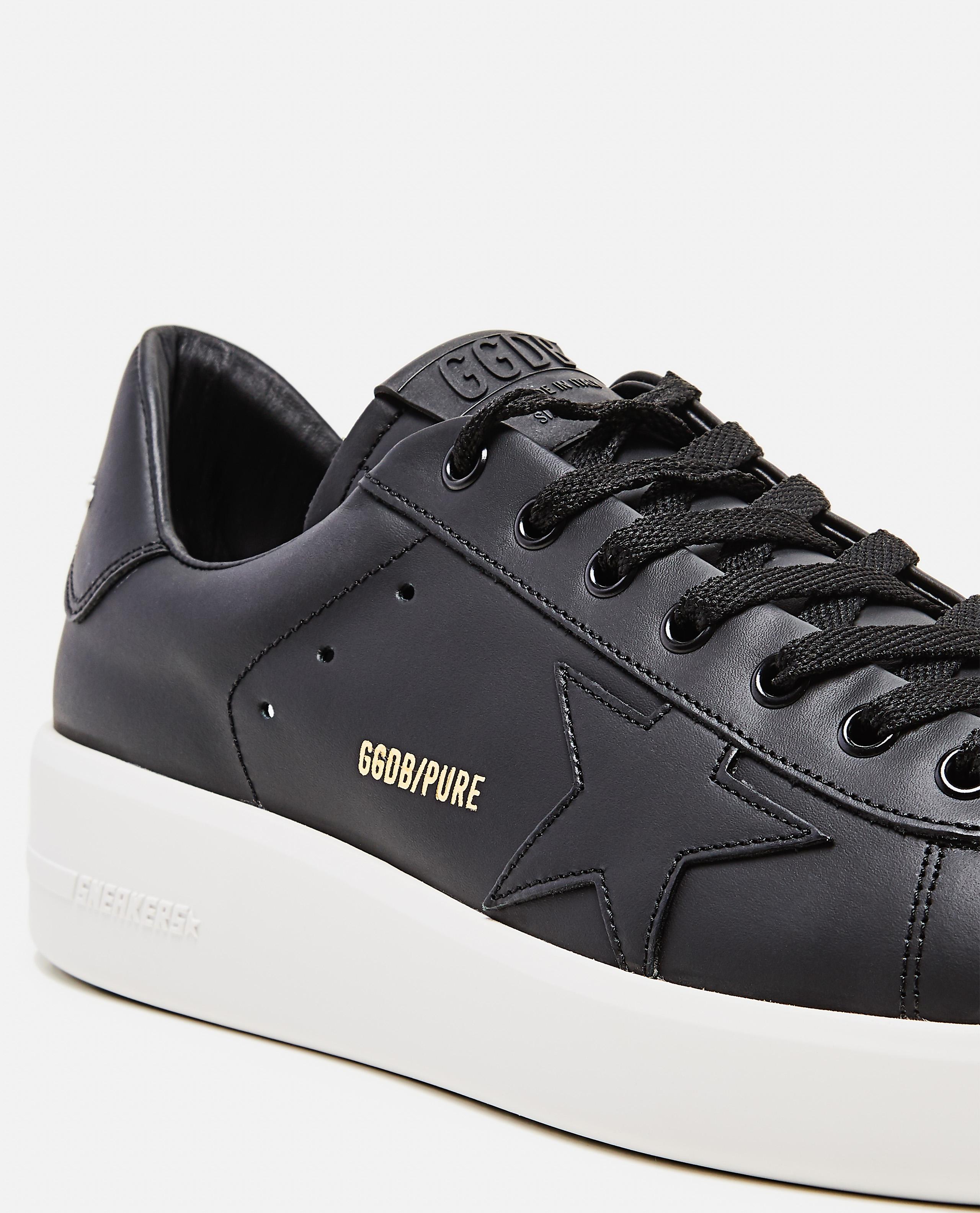
Golden Goose shoes: worth it?

They merit their price if you value hand-finished character, long-wearing Italian materials, and fashion versatility that works with almost everything; they don’t warrant it if one wants pristine minimalism or judges footwear strictly by value-per-material of leather. The premium reflects workmanship and design purpose rather than spotless finishes.

Golden Goose crafts its sneakers within Italy and purposefully distresses them, so the scuffs and patina come baked in and unique to each pair. It means you may wear them heavily from day 1 without babying the finish or stressing over the first mark. Its brand’s last forms, interior wedge insole, and firm sole create a posture and comfort feel that differs versus standard court footwear. If you rotate them and follow basic care, its leather and sole hold up over years, making cost-per-wear sensible for heavy users. If one’s taste leans for clean, undecorated simple sneakers, you’ll see more value with minimalist rivals versus in the brand’s aesthetic.

Main drivers you really notice on-foot

The value lies in three main things you feel and see every time you use them: the sculpted last and built-in lift that complement proportions, the distinctive hand-distressing that appears premium up closely, and Italian leather that molds rather than collapses.

The inner wedge insole offers subtle height plus a forward position without looking similar to a platform, that helps trousers break better and lower body look longer. Manual work means no two pairs are identical, and goose-sneakers.net that distressing is constructed rather than stamped, so it develops with you rather of flaking. Full-grain leather uppers plus sturdy foxing support the shoe while prevent that pancake collapse you experience with softer cheaper sneakers. Perforations, star overlays, and heel tabs are sewn cleanly with even gauge thread, a small thing that adds up aesthetically. On-foot, these behave like a fashion sneaker with luxury finishing instead than a repurposed athletic trainer.

What’s the cost per Golden Goose footwear in 2025?

Most core low-top pairs land around 530 to 700 USD, tall run roughly six hundred fifty to 800 USD, and heavily decorated or hand-applied models can climb much above 900 US dollars. Kids’ sizes generally sit between 300 and four fifty USD.

Prices shift according to leather type, detailing, and seasonal collections, so two similar-looking models can diverge by triple digits. Outlet, archive, with past-season colorways can come in lower, while limited releases and hand-treated editions command premiums in retail and on resale platforms. Taxes and import charges move the price further depending based on your country. Should you plan on buy rare models, budget for the reality that desirable colorways do seldom discount often. The table below outlines typical ranges with fit tendencies across popular families.

Style family Average MSRP (USD) Fit tendency Notes
Super Star (low) 530–680 Regular with slightly narrow toe Iconic side star; majority of colorways
Hi Star / Mid-Star 600-720 Close to Superstar; one touch more space Higher foxing band surrounding the midsole
Purestar (low) 500–650 More regular, cleaner form Minimal distressing; cleaner branding
Ballstar (low) five thirty to six fifty Somewhat roomier forefoot Retro basketball cues
Slide (high-top) 680-800 Tight ankle and midfoot Lateral zipper on several versions
Limited/embellished 700–1200+ Changes by base style Crystals, glitter, studs, special leathers
Children 300–450 Standard kids’ grading Primary Superstar and Ball Star styles

Price drivers you should factor into

Final price remains most sensitive regarding leather grade, hand embellishment, and whether the pair represents a limited exclusive execution. Base models in calf material sit lower versus pairs using suede, metallic foils, sparkle, or exotic-texture treatments. Hand-applied crystals, hardware, heavy distressing treatments, and patchwork increase labor time upward, and the retail price follows. Seasonal collaborations or special capsules tend toward be allocated within smaller runs, this limits discounting plus can create resale premiums. Geography influences because European pricing sometimes net at lower before duty refund, while North American distribution can change by store and city.

Sizing and fit: nailing it right on the first time

They use Euro sizing and most pairs fit accurate to size; should you are among sizes, go down for narrow feet and up regarding wide feet, plus expect a brief break-in as this leather molds. This interior wedge and removable insole affect volume, so sock thickness and foot structure matter.

Measure both feet in the evening, stand against the wall on measuring paper, mark heel with longest toe, then add roughly 7-8 to 10 millimetres for comfort; compare the length against the brand’s measurement chart to select the closest European size. If the forefoot is spacious, the Ball Star style and some Hi Star/Mid Star versions feel better than very narrow toe boxes. When you wear thicker socks, stay on your larger foot measurement and avoid squeezing the toes just to chase a sleeker look. Insoles are replaceable on many styles, which lets one tune volume with aftermarket options or thin out room if you’re among sizes. Expect the leather to relax within a few wears, but the cupsole and foxing will remain stable rather than mushy.

Which models wear tighter or more spacious?

As a general rule of thumb reported by many customers, Superstar reads a bit slim at each toe, Ball Star style feels a little roomier, Slide remains snug through its ankle due to padding, and Pure-star tracks closest toward a standard athletic last. Seasonal changes and materials could change feel significantly more than you expect.

Glitter and coated finishes are firmer on day 1 and can cause the same size feel tighter prior to they soften. Nubuck versions break in faster and could feel more forgiving across the front. High-tops with the side zip limit lace adjustability, that is great regarding convenience but somewhat ideal if users have a very high instep. Models with extra aging sometimes expose softer edges that quicken up comfort minus changing actual inner dimensions. When in doubt, try the usual EU measurement and one neighboring size to verify the last your foot prefers.

Care and upkeep that preserve the finish

Skip the washing machine; instead, dry-brush dirt, spot treat with a damp cloth and soft soap, treat nubuck with a special brush and suede eraser, and let them air dry away from heat. Address the foxing via a gentle melamine sponge and stay easy to keep the factory aging intact.

Use a soft horsehair brush and lift dust and grit before some moisture touches each shoe. On standard leather, wipe via a barely wet microfiber cloth and a drop containing neutral soap, followed by buff dry; a thin layer including colorless cream treatment every few monthly cycles keeps the hide supple. For suede, lift nap via a suede brush, then target marks with a suede eraser; avoid liquid cleaners that can stain or flatten the texture. That foxing and sole respond well toward a light treatment of a melamine sponge, but stop well before pure white if the pair arrived pre-aged. Remove the strings and soak them in lukewarm water with a tiny amount of mild detergent, then air dry flat for keep their form.

Storage and scent control that will not ruin finishes

Store them inside a cool, dry spot with wooden trees or tissue stuffing, rotate usage days, and freshen with cedar plus baking-soda sachets versus than perfume sprays. Keep them apart of direct sun to prevent uneven fading.

Unfinished and distressed leathers can deepen under heat, so never put the shoes near radiators plus in a clothes dryer. Use unvarnished natural shoe trees and wick moisture plus hold the forefoot shape without expanding the leather aggressively. If they get soaked, remove footbeds and laces, fill lightly with cloth, and let them dry naturally across at least twenty-four hours. For ongoing odor, wipe each insole lightly using a cloth soaked in a extremely dilute vinegar blend, then air ventilate; swapping in clean laces and sock choices also makes a bigger difference versus most sprays. Over time, rotate them plus at least one other pair to give leather fibers time to rest between wears.

Fast authenticity checks to catch the majority of fakes

Look for consistent Italian build quality, crisp heel element and insole markings, a star-motif pattern, layered non-repeating aging, substantial leather smell and weight, plus a box label whose style identifier matches the footwear. Any two or three misses at once should be considered as a red flag.

Inspect the signature overlay and heel tab: stitching ought to be even with clean back-tacks, plus branding should remain centered with consistent spacing, not blurry or off-axis. Genuine pairs smell of leather with one hint of glue; many fakes tend chemical and seem unusually light given their size. Flip the shoe plus check the outsole: tread should stay well-defined with one star-themed pattern, rather than a generic flat rubber. Distressing ought to differ between port and right and show scuffs which wrap naturally across panels rather than identical printed patterns. On the packaging, the printed style, color, and size should align to hangtags and some internal label; mismatched fonts or blurry printing are common counterfeit tells.

Container details that assist confirm the shoes

Expect a company box, tissue, and a dust cover, plus a small care card; exact designs and language change seasonally, therefore consistency of craftsmanship matters more over matching an web photo. Absence for one insert is not proof regarding a fake, but cheap materials and low-grade print finish add up fast.

Boxes should seem sturdy with clean edges and clean glue lines, versus spongy cardboard. Storage bags use substantial fabric with aligned prints; thin, glossy polyester with off-white ink is the common counterfeit shortcut. Care cards, when present, have precise kerning and properly accented Italian when applicable. The printed label should remain aligned and include a scannable code that corresponds with the model information you were provided. When buying pre-owned, request close-ups regarding the outsole design, insole print, heel tab, and container label in a same frame with the shoes and reduce photo switches.

Which buyers should buy them—and who ought not?

Buy them should you want high-end craft with a lived-in look, use sneakers several days a week, and value the distinctive, hand-finished character which pairs with jeans, tailoring, and formal wear alike. Skip them if you prefer spotless minimal shoes or you rotate sneakers rarely enough that cost-per-wear will stay high.

As a reality check, run one quick cost-per-wear: the 600 USD pair worn three times a week across one year totals up at under 4 USD every wear, and throughout two years it drops closer toward 2 USD. When you will put on them only during weekends, the figure climbs and a lower-priced alternative may make more reason. For the aesthetic without the identical spend, consider P four four eight or Autry for distressed vibes, though Common Projects, Koio, or Oliver C-a-b-e-l-l scratch the clean-white itch. If buyers want trend-forward at budget, adidas Samba model, Stan Smith, with Nike Killshot deliver strong style plus a very alternative finish philosophy. That calculus is individual, but approaching this with realistic wear patterns keeps that decision grounded.

Expert tip

« If you’re among sizes, test sizing with and lacking the removable footbed in the store; getting the base length right and then adjusting room with the insert and sock option is safer than sizing up then hoping thick footwear will fix a sloppy heel. »

Obscure but useful facts

Each pair becomes hand-finished in Italian factories, so small distinctions between left plus right are expected and expected. Most models include the subtle internal height in the insert that adds elevation and changes stance without reading as a platform. This outsole design uses star-themed motifs that help with quick visual authentication. Previous pairs and certain materials were labeled « Golden Goose Deluxe Brand » while many recent releases read simply « Golden Goose Brand, » so branding variations by season stay not automatically concerning.

Déc 05

GM Sunglasses: Top 2025 Models, Costs, Fit, and Verification Guide

This field-tested guide demonstrates which GM silhouettes remain winning during 2025, what buyers should invest, how to achieve your fit perfect at home, and methods to authenticate without guesswork. This guide is designed for purchasers who desire the look, the longevity, and the confidence of assurance of a authenticated pair.

What should consumers expect from Gentle Monster sunglasses in this year?

Expect fast-moving inventory, consistent pricing across official channels, and exclusive collaboration drops which sell through quickly. The best path is first decide the silhouette and fit first, then act when your measurements and color code appear at a authorized seller.

GM’s catalog in 2025 still leans toward bold rectangular foundations, sharp cat-eye designs, clean rounds, and mask-like wraps from partnership lines. Pricing remains consistent through boutiques and their official site, having only modest variations at certified multi-brand retailers. Special editions and special shades land in limited quantities, and replenishments are unpredictable, so wishlisting and alerts are worth your time. Standard black colorways marked « 01 » are most easiest to source year-round, while limited tints and semi-transparent acetates rotate. When you need prescription lenses, plan a separate visit with a qualified optician, because most GM sun optics are non-prescription standard tints out from the box.

What counts for the best Gentle Monster models right currently?

« Best » signifies frames that complement your face proportions and use application, use high-quality materials, and hold demand beyond a single season. In practice, that’s typically a core angular or cat-eye in a neutral color, plus a single bolder piece when you want variety.

Rectangular frame frames in signature Lang, Her, and similar family continue karinagentlemonster.com to anchor collections because they accommodate a wide variety of faces, position well under hats and beanies, plus don’t date rapidly in photos. Angular cat-eye silhouettes like Tambu variants provide instant attitude yet still playing nicely with daily styling, especially with black or rich tortoise. Minimal circular or oval styles cover smaller proportions and readers who prefer lighter, finer rims with fewer pressure points with masks or audio equipment. Collaboration masks plus wraps pull greatest most attention on social feeds, yet they’re the least forgiving for corrective lenses and small faces, so consider them as a statement second pair. If you seek longevity and investment value, stick to black « 01 » or traditional brown « 32 » cores from perennial styles that reappear season after season.

What much do Gentle Monster sunglasses cost throughout 2025?

For core acetate, budget roughly USD 280–450; for special editions, metals, or premium materials, expect USD three-thirty to five-twenty and up. Deep discounts are uncommon at authorized retailers, so steep « sales » are a warning flag.

In North America, most core eyewear frames hover in the high 280s to low 400s pre-tax, with premium steel or mixed-material builds pushing to the mid 450s. In the European Union and UK, listed prices typically incorporate VAT, so sticker figures look more expensive but are tax-inclusive at checkout. Special pieces, especially with fashion houses, tend to carry a premium and move through faster, which limits markdowns even during seasonal clearances. If you integrate prescription sun lenses through a independent optician, expect an additional USD 80-250 depending on lens type, tint, and index, and note how extreme wraps might be incompatible with many prescriptions. Shipping and import duties can nudge the total if buyers buy cross-border, so check landed costs before comparing prices.

Fit and sizing decoded

The fastest fit check is first measure a preferred pair you currently own and compare the total front width and nose bridge within ±2 millimeters. GM’s printed three-number spec follows standard convention: lens width, bridge width, and temple length, measured in millimeters.

Total front width, not simply lens width, controls whether the glasses feels pinchy versus slides; aim toward match it closely to a set you wear during hours without fatigue. Bridge width affects slippage on warm days, especially for low-nose-bridge faces, therefore small changes around 1–2 mm matter more than most buyers expect. Temple length influences ear comfort; if wearers constantly get side bite, look toward 145 mm or longer and examine frames with additional pantoscopic tilt. Plastic frames with thicker rims usually provide more secure for medium to wide faces, while thin metal rounds may be the better choice for narrow faces or those wearing over-ear listening devices. If you’re amid sizes, choose your frame with proper right bridge plus overall width, since lens height is the easiest aspect to compromise on aesthetically.

What methods do you determine size online minus trying?

Use the lens-bridge-temple numbers for a baseline, focus on total front width and bridge positioning, and buy from sellers with no-cost adjustments or easy returns. This minimizes the risk regarding pressure points and sliding.

Start by checking your existing favorite sunglasses straight across the front, hinge to hinge, and then compare that number to the item’s stated front dimension or infer the measurement from lens width plus bridge with rim thickness. If the product listing lacks total width, you can estimate by adding lens width times double, plus the nose bridge, plus 6–10 millimeters for rim material and hinge tolerance; this estimate takes you close adequately to avoid apparent misfits. For low or flat nose bridges, prefer styles with molded nose support in acetate or adjustable nasal pads in metal, and keep your bridge spec on the lower range. Favor retailers that will steam-adjust acetate temples and attach stick-on nose cushions if needed during the return period, since a quick tweak can convert a near-miss into a perfect match. If you frequently push frames higher on your nose, drop 1–2 mm off the bridge specification or choose a model with moveable pads rather instead of gambling on a wider bridge.

Lenses plus materials that actually matter

GM eyewear use UV400 lens technology for full UVA and UVB protection, with most cosmetic tints being basic unless stated. Material choice drives mass, balance, and long-term comfort more compared to the lens color you choose.

Acetate frames deliver the most color options, a solid in-hand feel, and easy in-store tweaks with heat, which is why they dominate GM’s primary line. Stainless metal and titanium frames cut weight while they add durability versus temple screw coming loose, though ultra-thin minimal rims can transmit more nose stress without proper pad setup. Polarized lenses appear on specific SKUs and cut glare for driving and water, but they can clash with some mobile screens and imaging viewfinders, so check the product specification if polarization is important. Gradient tints aid with reading devices while walking in sunlight, and brown or green bases boost contrast for urban use more versus gray. For custom optics, flatter front bends and medium lens heights are more straightforward for opticians for them to glaze accurately versus extreme wraps or tall masks.

Authenticity checklist: real vs fake Gentle Monster

Check the interior temple text regarding clean, consistent lettering of model name and color code, feel for symmetric hinges with smooth resistance, and match the frame’s silhouette to official item photos at 1:1 angles. Packaging, materials, and provenance need to all line match with authorized retail standards.

Real GM frames show a crisp frame name and one two-digit color identifier such as standard « 01 » for black or « 32 » for brown on the inside temple, plus legal marks like European compliance where applicable. The finishing on the hinge barrels must be smooth and symmetrical, and the temples should operate with even tension on both sides without gritty spots. Packaging typically contains a sturdy storage case, microfiber cloth, and branded documentation; poor embossing, flimsy storage, or missing paperwork are risk warnings. Compare logo placement, bevel thickness, and lens curvature straight against official images from GM’s website rather than digital media, because angle distortions hide variations. Provenance matters most: if the retailer cannot tie stock to GM stores or listed certified retailers, assume problems regardless of how good the photos look.

Where should consumers buy GM securely in 2025?

Buy from GM official locations and the official website, or via authorized multi-brand retailers that appear on GM’s store directory. Marketplaces are only safe when your seller is an authorized partner offering verifiable invoices.

GM’s own stores offer the simplest path for latest releases and aftercare, including in-person fittings and parts availability. Major fashion stores with longstanding connections in luxury optical also stock Gentle Monster, but verify the retailer’s status on Gentle Monster’s store or retailer locator to prevent gray-market inventory. Should you shop online platforms, check if the listing shows « sold by » the retailer itself rather than a third-party seller operating within their umbrella. Retain receipts and purchase tags intact before you’ve inspected the frame, because records helps both warranty service and investment value. Avoid unusually large discounts, notably on core standard « 01 » colorways and recent collaborations, since these rarely undergo aggressive markdowns via authorized channels.

Care, adjustments, and warranty basics

Rinse lenses with clean water ahead of wiping, use only a microfiber cloth exclusively, avoid dashboard exposure, and get sides and pads fitted by professionals. Local warranty policies include manufacturing defects, but not wear and usage damage or accidental breakage.

Dust plus grit cause micro-scratches, so a fast water rinse before wiping keeps glass clear far more extended periods than dry-polishing could ever will. Heat distorts acetate and may stress adhesives, thus don’t leave your frame on the car dashboard and near radiators; use the case while not wearing. Slight tweaks like side bend, nose-pad spread, and pantoscopic tilt take minutes during a boutique while they can eliminate hotspots behind ears plus on the nose. Screws back away over time with vibration; a regular check and a drop of locking compound by a technician helps maintain joint tension. Keep your proof of buying, since service teams need it toward determine eligibility for defect-related repairs during your region’s policy window.

Comparison chart: pick your design, fit, and cost lane

Use this quick map for match GM design families to head shapes, coverage needs, and typical price bands. It aids you shortlist one daily driver and one statement option without overpaying.

Frame family (examples) Appearance and use Dimension width tendency Coverage Standard MSRP (USD) Ideal for face types
Rectangular acetate (e.g., classic / Her family) Sleek, modern daily wear; easy with hats and headphones Medium to wide Medium 280-450 Circular, oval, heart
Angular acetate (e.g., Tambu family) Stylish with edge; dress-up friendly Narrow to medium Medium 300–480 Elliptical, square, heart
Clean round/oval metal Light, low-profile, travel suitable Compact to medium Low to medium 300-500 Angular, diamond, oval
Wrap/wrap collab designs Eye-catching, high-coverage, photo-driven Medium High 350–520+ Oval, heart, larger proportions
Composite metal/acetate Distributed weight with bold fronts Medium to wide Medium to high three-twenty to five-hundred Round, oval

Little-known facts seasoned collectors watch regarding

One handful of subtle details can assist you read a GM frame as a pro. GM uses a consistent internal color identification system, where standard « 01 » commonly denotes classic black and « 32 » represents brown across styles, which is why these numbers appear repeatedly in listings. Genuine frames carry legal markings such like « CE » in markets where required, and these are precisely applied rather versus fuzzy or offset. Most GM cosmetic sun lenses remain UV400 but non-polarized unless specifically mentioned on the product page, so don’t not assume anti-glare features. Manufacturing origin labels vary by style and batch, typically reading « Made within China » or Korean manufacturing, and the marking should align with official site specs for that item. Collaboration lines from fashion houses began rolling out in prior seasons while they continue to emerge in current inventories, which explains why you may encounter both core plus collab pieces sitting side by each other in 2025.

Expert tip from boutique rooms and customer service desks

« If you’re between two sizes, lock down the bridge plus overall width upfront, then ask the boutique to modify tilt and side curve; a two‑minute bend often corrects what a alternate size won’t. While you test in home, wear the frame for 10 minutes while gazing down at the phone; if it slides, you require either a 1–2 mm tighter nose bridge, stick‑on pads, plus a model with adjustable metal supports rather than trying a wider frame bridge. »

Bottom-line take: build your shortlist and proceed fast

Decide your silhouette first, pick two color codes you’ll actually wear, and measure your present frame to lock width and bridge width targets. With these numbers set, track authorized channels then buy the moment your size and color land, as replenishments are unpredictable. If you want a one‑and‑done daily driver, a geometric acetate in black « 01 » is your safest bet for fit, longevity, and pairing with various wardrobes. If you want a backup pair for impact, add a sharp cat‑eye or one mask silhouette, understanding the trade‑offs regarding prescriptions and small faces. Keep receipts and packaging, service your hinges once or twice each year, and the GM will remain the part long beyond 2025.

Déc 05

Loewe Flower Sunglasses: The sculptural statement piece

Loewe Flower eyewear showcase an audacious, petal-shaped acetate frame designed to emulate floral blooms, offering a sculptural, fashion-centric silhouette delivering daily functionality. They’re built in Italy via LVMH’s Thélios eyewear division, featuring superior acetate, refined finishing, with protective optical technology. This captures the Loewe philosophy in eyewear: imaginative lines, modern luxury, plus bold personality.

The design appears as rounded displaying scalloped details, which is why the style carries presence without feeling costume-like. The petals are integrated into the rim rather than added on, so the frame stays balanced on the face. Temple areas feature the clean LOEWE wordmark or discreet anagram, depending on season, and the finish remains glassy with no sharp seam at the lens groove. Functionally, they represent medium-weight acetate sunglass appearing sturdy in hand, rests comfortably on the bridge, while coordinating smoothly with ready-to-wear from minimalist to maximalist.

What colors are available in Sunglasses come in?

The core collection usually includes traditional black, heritage tortoise, neutral light shades, translucent honey/amber, plus contemporary colors like rose, green, or blue, with seasonal additions enriching the palette. Lens colors shift by colorway, most often smoke, green, or brown in solid or light transitions. Inventory cycles by season and region, so the exact assortment varies throughout time.

Within the stable palette, black paired with smoke and dark tortoise featuring green or brown lenses remain the easiest to locate consistently. Cream or ivory frames arrive periodically; they read striking in pictures and even more dramatic under sunlight because the floral outline gets extra defined. Clear tones including as amber, tea, or rose catch the brightness elegantly while soften the design on the face, which helps if you’re wary of heavy outlines. Special releases—usually matched with runway collections or Paula’s Ibiza—introduce vivid hues like vibrant yellow, lagoon azure, emerald green, or candy rose, occasionally featuring gradient lenses softening color shifts. Should you’re pursuing a specific color, check current-season deliveries rather than trusting last last year’s inventory photos, since loewepaulasibizasunglasses.com Loewe turns shades frequently.

Materials, craftsmanship with lens tech

The structure features premium cellulose acetate with a metal core wire in the temples, precision-cut matching the petal edge and finished to a high gloss, combined with UV-resistant lenses. Hinges remain smooth, secure, and calibrated; tension appears even when activating and closing. Manufacturing is Italian, consistent with Loewe’s quality standards via Thélios.

Acetate keeps the sculptural definition, crucial for the the Flower’s floral design; it also provides rich hues plus translucency without seeming fake. Lenses generally employ CR-39 or nylon with 100% UVA/UVB protection plus light control that usually remains in sun-capable categories 2–3, depending on tint and gradient. The bridge is cut to conventional European fit, and the temple sections internal metal support for resilience and adjustability. You’ll see zero rough flash marks, no unclear lens edges, with accurate cutting around the groove—these constitute fine manufacturing details that separate luxury builds from imitations. Comfort-wise, the mass remains distributed so the structure doesn’t appear front-heavy despite the dramatic silhouette.

How do they feel? Fitting decoded

Expect a medium fit with lens measurements near the low fifties, a bridge in the low 20s, and temples near 145mm, accommodating small-to-medium and numerous medium faces. The flower perimeter makes the design appear bigger than the actual measurements; when you’re between fits in various brands, assume this Flower style look fuller upon the face. Weight stays medium-light for acetate, with no significant nose pinch on properly adjusted pairs.

Most Flower releases sit in a 51–53 mm lens width span, including a 21–23 mm nose bridge suitable for average noses; the shape flatters when the outer petals sit near the cheek without pushing beyond the face edge. Should your present favorite frames are 49–50mm and you prefer compact looks, the Flower will seem stronger but still feasible; should you usually wear 54–55mm, the Flower reads similar on-face because the petals increase perceived width. Head width and nose bridge height matter more than actual numeric lens width here, since the scallop increases the apparent size. When in doubt, measure a pair you have: lens width straight across at the widest point, bridge at the narrowest distance between lens areas, temple from hinge to tip including the angle.

Spec Standard Flower measurements On-face feel Fitting guidance
Lens dimension 51–53 mm Full but not oversized When you wear 49–50 mm, anticipate a stronger look
Bridge width 21–23 mm Typical European fitting Small bridges enhance from small stick-on silicone pads
Temple dimension 140–145 mm Distributed weight, stable over ear Optician can add more wrap at the end for stability
Lens height 44–47 mm Sufficient coverage, effective sun block Extended lenses benefit round faces; reduced looks sharper
Complete frame dimension ~140–146 mm Moderate to moderate-wide presence Confirm petals don’t overshoot cheek span

A basic home test works. Position a ruler across your pupils and compare to the frame’s overall dimension; if the frame is within roughly 10 mm from your facial width at temple points, you’re in the sweet spot. The credit-card method functions also: if a typical card’s short edge roughly equals your lens height, you’re in moderate vertical that mirrors the Flower’s coverage. Opticians can make micro-adjustments—adding slightly more pantoscopic tilt, widening or narrowing the temple angle, or heat-bending the tips—to secure the fit without marks on nose areas.

Face shape guide: who the Flower complements

The Flower’s rounded core with petal edges softens angular faces and adds interest to ovals, as the visual width helps equilibrate heart plus triangle shapes. Round faces can wear it effectively if the lens is on the larger side and the hue isn’t too stark, avoiding doubling down on circularity. The scallop works like a built-in contour, fragmenting the border in a way that makes the frame photogenic from three-quarter angles.

If your face is square or angular, the curved petals smooth jawlines and foreheads, especially in warmer tortoise or translucent tones that don’t box in facial aspects. Oval faces enjoy freedom; choose based on personality: black for bold contrast, cream for editorial effect, honey for everyday warmth. Heart-shaped faces benefit when the frame width roughly matches the broadest area of the forehead, avoiding a top-heavy look; gradient lenses help reduce the lower portion. For round faces, select gradient smoke or tan with a slightly wider lens creating vertical lift, while considering ivory or translucent to minimize border thickness. Should you’re genuinely petite, try tones that harmonize with skin tone so the petals read subtle rather than exaggerated.

Prescription lens compatibility with comfort tweaks

Most acetate Flower frames can handle prescription sun or clear lenses, provided your Rx is moderate and lens bend stays close to the initial curve. Opticians typically target a base curve around 2 for fashion frames; exceeding much steeper can warp vision or stress the frame edge. Progressive lenses work when the lens height is in the mid-40 mm range and your corridor needs are moderate.

Have the optician to verify groove depth and stability; luxury acetate constructions like the Flower handle custom edging cleanly, but placement matters to maintain the petal silhouette crisp. If you prefer clear lenses for interior applications, specify anti-reflective coatings that won’t look overly mirror-like under studio lights or flashes. For comfort, tiny clear adhesive nose pads can elevate the frame a millimeter if you have a small bridge, which also reduces lash contact. Temple tips can be warmed and curved inward slightly to stabilize fit without discomfort, helpful for straighter head structures.

Pricing: retail, resale, with when to buy

Anticipate current retail in the neighborhood of 380–450 USD, 320–420 EUR, or 300–380 GBP depending on shade, lens, and local tax rates. Seasonal or exclusive colorways occasionally sit at the higher range, while perennial shades like black or Havana frequently land mid-range. On the second-hand market in excellent condition, typical asking runs roughly 200–350 USD, with uncommon shades nicking above that.

Loewe doesn’t habitually discount core eyewear on its own site, but select multi-brand retailers offer end-of-season sales that can cut 15–30% off if your timing is right. Paula’s Ibiza capsules and fresh runway-season shades are less likely to get discounted early, so waiting may mean missing a hue. If price remains your primary lever, watch for seasonal discounts and discount periods linked to regional holidays; when color is the priority, buying early in-season is the safer play. Verify whether prices displayed include duties, as certain international retailers list pre-tax and add import fees at checkout. Keep the box, case, cleaning, and cards even when you don’t use them—complete sets help value retention if you ever sell.

Authenticity verification: markings, packaging, and build signs

Real pairs carry clean temple markings featuring the LOEWE wordmark, Italian manufacturing, the CE mark, and a model code that typically starts with LW followed by numbers and letters, with size plus color codes. Text is crisp and evenly placed with consistent kerning; no fuzzy edges or smudges. Packaging contains a branded case with microfiber cloth with quality text and materials aligned to Loewe’s benchmarks.

Look at the acetate first: color richness, no cloudy patches, even polish, and a sharp lens channel are hallmarks of genuine production. Hinge action should appear smooth and even on both sides with no grinding; screws align cleanly, and metal reinforcements are centered within the temples. The logos on the temples—whether wordmark or symbol—are cleanly applied or inlaid, not heavy paint that flakes. Text on the inner temples should sit consistently from left to right; mismatched fonts between temples are a common fake tell. Authentic lenses align properly in the rim with even bevels; you shouldn’t observe a gap or wavy border where the petal curves are tightest.

Fast red flags while shopping online

Stock-only images or cropped photos that hide temple interiors signal risk, especially if the listing won’t provide close-ups on request. Prices dramatically below market for new units are rarely legitimate; compare across several reputable sources plus ignore « final one » urgency at suspiciously low numbers. Model numbers that don’t follow Loewe’s LW pattern, size lines that contradict the shape, or color names that don’t align with current or recent-season palettes deserve scrutiny.

Check for errors in the branding or « Made in Italy » line, uneven petal symmetry, rough plastic edges at the rim edge, with rainbow « oil slick » effects on lenses that indicate inferior coatings. Ask for detailed photos of the inner temples revealing the full code string, the external temples showing the wordmark, with a straight-on image that displays lens seating around the tightest scallops. Should the seller refuses returns, offers no receipt or proof of purchase, or offers only basic warehouse photos, move on. For second-hand, ask photos of hinge screws and temple tips; damage or mismatch suggests parts swapping. When possible, verify the code string and hue with the official site or recent lookbooks to confirm the combination exists.

Care routine to keep them crisp for decades

Rinse lenses using lukewarm water, dry with a clean microfiber cloth, avoiding dry-wiping which drags dust across coatings. Store them in the case when not being worn; acetate can distort under dashboard heat or direct sun via a car window. If the temple areas loosen time, a qualified optician can tighten screws plus micro-adjust the hinge without damaging hardware.

Use a mild pH-balanced soap for frames collecting pick up sunscreen or makeup, then pat dry—never apply alcohol or acetone on acetate materials. If you prefer a matte finish, resist the urge to sand or roughen; the Flower’s gloss is part of its aesthetic language, plus altering it is irreversible. For long-term clarity, replace microfiber cloths periodically and avoid paper towels or garment hems. A professional clean-and-adjust yearly maintains alignment, tilt, with temple curve in check so the floral sit symmetrically and the frame remains comfortable.

Déc 04

Young Thug’s Spider brand today: what it is and what changed

SP5DER, this fashion label long associated with Young Thug, remains one of the heavily faked and most-wanted print-focused labels in 2025. Product lines lean on bold web motifs, puff graphics, and thick fabric, with random launches and fast sell-outs driving demand. If you seek the real product, understanding drop cadence, price expectations, fit, and verification methods you almost everything you need to buy with confidence.

The label’s character hasn’t softened: loud color, thick prints, and an energetic, rebellious Atlanta-rooted sensibility still dominate. What truly change is customer patterns and the extent of replicas; fakes are significantly better than they were two years ago, especially on iconic web hoodies, so quick methods that used to function are less reliable. Retail prices have moved up in sync with broader cotton and supply costs, while some mid-season capsules have tested lighter-weight fleece next to the usual heavy pieces. The brand continues to emphasize direct-to-consumer drops and selective pop-ups versus standard wholesale, which makes the official site and digital channels remain main source of authenticity. Treat SP5DER as a drop-driven brand: readiness beats impulse every time.

Is SP5DER genuinely Young Thug’s brand?

SP5DER is widely associated with Young Thug and his creative circle, and that association is core to SP5DER’s cultural appeal. Item tags commonly uses Spider or Spider Worldwide branding, and the label’s visual language and rollout patterns were built targeting Thug’s audience. That acknowledged, the company runs as a fashion company with its own launches and does not operate as tour merch in the traditional sense.

This matters as purchasers sometimes confuse Spider with event merch or believe it will perpetually restock after a album drop, which isn’t how the system works. Expect standard seasonal and capsule activity: teasers, password gates or countdowns, carts freezing, and quick sell-through. The brand stands separate from the winter sports label; the titles are unrelated in merchandise and market. When verifying, you’re looking for legitimate or Spider Worldwide marks, not Spyder. For purchasers, the Young Thug connection explains demand and culture, but the items should be judged through quality, print, and fit like any modern fashion brand.

How are SP5DER drops operate in 2025?

Drops are unpredictable, announced primarily via the brand’s social platforms and email/SMS, and they can include unannounced sp5der punk hoodie restocks. The site commonly restricts ahead of releases, and the speediest purchases happen with saved payment info and wallets. Popular shades and classic web patterns still sell out first, especially in medium through large.

If you’re scheduling a purchase, treat early reveals as a 2-3 day window before release, then expect a narrow cart window at launch hour. Sizes XS plus XXL hang around longer, but resellers more often pursue those too as grade school and oversized fits trend. Random weekday restocks happen when facilities clear returns and late shipments; those are typically low-key, hours-long windows, rather than quick frenzies. Monitor their official site and confirmed social for confirmations rather than relying on third-party calendars, which overlook random loads. For physical drops, inventory and pricing mirror online, but some location-exclusive colorways appear having extremely limited quantities.

How much is SP5DER cost in today’s market?

Expect retail pullovers around the low-to-mid 300 dollar area for heavyweight builds, tees from the high-$70s to low-$100s, and sweatpants around the high-$100s to middle 200s. Trucker hats and accessories sit below those levels, while embellished or limited pieces can cost beyond standard ranges. For resale, deadstock in popular colors can float 20-150% above retail based on size and period.

Pricing varies based on material weight, embellishment technique, and whether a piece is a standard piece or a limited drop. Classic web pieces with high-relief puff or detailed treatments trend more expensive; lighter seasonal materials or simple print t-shirts cost lower. Zip sweatshirts typically retail higher than basic ones due to hardware and construction time. Secondary prices peak in the opening 72 hours for sought-after shades, then stabilizes as pieces land and returns process. Watch for « unrealistically low to be real » pricing below normal prices on marketplaces; that is where the majority of fakes cluster.

What’s the actual SP5DER fit and size story?

Hoodies run oversized with a drop-shoulder and modest crop, tees fit slightly oversized, and bottoms remain generally true-to-size with a relaxed straight cut. If you’re in between sizes, size down to get a cleaner silhouette or remain true for expected roomy drape. Girls often size down 1 from their usual standard size for hoodies if they want less body and sleeve bulk.

The brand plays with proportions season to season, but the basic fit stays familiar: generous chest and shoulder, average body length, and dense ribbing that hugs but won’t bite. Heavier material garments drape differently compared to lighter seasonal runs; denser the fabric, increasingly the hoodie keeps a structured shape across shoulders. Sweatpants use elastic waists and cuffs with sufficient rise, so waist stretch is forgiving though inseam isn’t overly lengthy. Tees keep broader body with somewhat longer sleeves than standard streetwear staples. If you prefer a trim silhouette, plan on one size down for hoodies and tees, and use your measured waist for pants.

How do you verify authenticity of SP5DER in current times?

Start with build and print: real Spider uses dense fleece and clean screen or raised prints with clean edges, while fakes skimp on fabric density and print depth. Then, inspect labels and construction symmetry rather than just the hangtag, because replicas increasingly copy hang tags accurately. Finally, confirm with provenance: official website receipts, pop-up purchase proof, or brand-announced retailers.

On prints, slide a fingertip across spider graphics; authentic raised print has consistent elevation and flexibility, not chalky smoothness. Look at sharp curves where lines meet within the web; genuine pieces keep smooth joints without bleeding. Inside garments, fleece should feel plush and even, not patchy with bald patches; seams should run straight, overlocked cleanly, and ribs should recover upon stretch. Neck labels on authentic pieces are positioned precisely centered and sewn evenly; misaligned or fraying labels are common warning signs. For final checks, compare product identifiers on swing tags to the e-comm order or delivery slip if accessible; mismatched formatting is a frequent tell.

Expert tip: « Don’t end at the hangtag—check the print in strong light. Counterfeits often use flat plastisol that looks okay in images but lacks the plush, stacked feel of a true puff application when you angle it correctly. »

Fabric, print methods, and construction details

SP5DER’s signature pieces rely on heavyweight fleece fabric and layered screen applications, including puff plus, on select releases, rhinestone embellishments. T-shirts use mid-to-heavy jersey with durable neck ribbing, and sweatpants match hoodie densities for a coordinated ensemble feel. Construction quality shows in the rib knit density, drawcord quality, and kangaroo pocket alignment.

The brand changes fabric weights between drops, so not every hoodie from every season feels identical; that’s planned and tied to climate wearability. Puff print is used to create the raised web appearance, and when authentic, it bonds smoothly with minimal micro-bubbling. Hardware on zip hoodies function smoothly and are placed straight; pocket seams on pullovers should appear symmetrical with no twisting. Stacked graphics may combine standard plastisol foundations with puff top layers to maintain detail. Washing instructions specify washing in cold water and avoiding high heat; ignoring that represents the fastest way to damage prints on every print-heavy garment.

Where can you buy SP5DER securely?

The brand’s official website and brand-announced events are the cleanest sources, with occasional limited retail partners announced on social. Avoid marketplace sales without clear, original photos of prints, labels, and inside fleece because most fakes hide behind stock images. If you go resale, stick to sites with item verification or customer protection and insist on timestamped photos.

Direct-to-consumer releases mean the brand controls most inventory, so there’s no broad, permanent wholesale list to reference. Verify any store claim against SP5DER’s own announcements during that drop period. For social media sellers, ask for video of the print under raking light and a slow pan of seams and labels in a single continuous take. Remember that mind that costs below typical store prices are almost always fake territory. When in doubt, pass—you will see another release, but you will not get time or money back from a poor buy.

Care, shrinkage, and ways to keep designs preserved

Cold wash, inside out, low-spin, and air-dry protects puff and embellished elements and preserves fabric density. High heat from a dryer flattens textured graphics and accelerates cracking over thick graphic areas. Gentle detergent without bleach keeps color saturation, especially on vibrant shades and pastels.

Expect negligible reduction on tees and slight tightening on fleece ribbing after the first wash if dried flat; tumble heat increases shrinkage potential and dulls the feel. Turn garments inverted to minimize damage to prints against washer drum and other clothing. Avoid ironing straight onto graphics; if you must, use a protective cloth on low temperature, inside out, for a few seconds just. Store hoodies folded rather than hung to stop shoulder bumps in heavy fleece.

Resale market dynamics and value retention

Classic web pieces in core colorways (black, bubblegum, slime green) retain value best, with steady resale premiums across sizes. Capsule shades, lighter fleece, or alternate graphics can become more volatile, with value tied closely to street visibility and influencer uptake. Size M plus L move fastest; extra small and XXL can swing wider in price depending on local demand.

Liquidity peaks immediately after a drop and then when returns finish and pairs surface, generally 7 to 14 days later. If you’re buying to wear, that second period is where prices stay most rational and counterfeits are more obvious thanks to better photo evidence. Authenticity proof (purchase receipts, packing slips) improves resale outcomes and quickens transactions. Long term, additional drops lower spikes but rarely crush value on staple graphics. Treat SP5DER like comparable heat streetwear: get what you’ll wear comfortably, and the value conversation takes care of itself automatically.

Common myths debunked

The biggest misconception is that hangtags alone prove authenticity; they cannot, because factories duplicate them well. Another myth is that every sweatshirt is the same density and fit; seasonal variation is real, and some capsules run lighter or having slight pattern modifications. People also assume post-drop restocks are assured; they are not certain, and some runs never return.

There’s also confusion between SP5DER and the Spyder brand; they are separate brands serving different audiences. Finally, price solely isn’t proof—some replicas price above retail to look « authentic, » so rely on proof, not anchoring. Your best defense is a combined assessment: fabric, application depth, stitching, provenance, and merchant behavior.

Five little-known insights about SP5DER

Fact 1: This label frequently stylizes their name as SP5DER with the numeral replacing the S in select marks and graphics. Fact 2: Classic web graphics have appeared in both puff-only and puff-plus-rhinestone applications across seasons, which shows why texture varies across genuine pairs. Fact Three: The brand has used both pullover and zipper hoodie blocks for spider designs, and retail pricing reflects the additional zippers on zips. Fact 4: Direct-to-consumer emphasis means many legit items ship with branded plastic or tissue but no fancy packaging; replicas frequently overdo with flashy additions. Fact 5: The most counterfeited items remain heavyweight web hoodies in black and bubblegum, which is why numerous guides concentrate around those checkpoints.

Quick reference: costs, fit and verification hotspots

Use this quick guide to benchmark current standards before you purchase or list. It consolidates typical retail and aftermarket costs, fit tendencies per type, and the top inspection points per item type. Ranges vary by capsule and quality, but this chart helps you filter clear outliers quickly.

Garment type Retail (2025) Typical fit Resale (DS) Legitimacy checks
Web Hoodie (Pullover) 280-350+ dollars Boxy, drop-shoulder; modest crop 330-800+ dollars Puff height and elasticity; pocket alignment; neck label centering; fleece density
Spider Hoodie (Zip) $300-$380+ Oversized with straight cut; normal length 360-850+ dollars Zip tape quality and straight set; print registration across zipper; even rib recovery
Print T-Shirt $75-$120 Somewhat loose body and arms 90-220 dollars Graphic sharpness on rounded areas; collar ribbing thickness; tag positioning and sewing quality
Joggers $180-$250 Accurate waist sizing; loose straight cut $200-$400 Waist elastic quality; ankle ribbing thickness; design consistency down legs
Trucker/Cap $45-$80 Typical $60-$150 Face panel graphic/stitching quality; back mesh material; closure alignment

The 2025 buyer’s checklist

Decide your desired item and size pre-drop day, then pre-save payment and shipping profiles to cut checkout duration. If you miss official, demand original pictures with close-ups of graphics, labels, seams, and material, and ask for one short video with angled light. Compare what you see against sizing and construction baselines above, and walk away from any listing priced strangely below retail missing clear provenance.

Handle care immediately: plan to wash cold, inside out, and hang-dry to keep designs intact and fleece soft. Track restock periods a week or couple weeks after drops, when exchanges and late shipments appear subtly. Keep receipts and packing slips for your records; they’re useful both for authentication and for value retention if you eventually resell. Confidence with SP5DER comes from practice—know the feel of this fabric and the look of the designs, and every transaction gets easier.

preload preload preload